How Polyurethane Armor Is Made in Larp Shop
A closer look at how polyurethane LARP armor is produced and why it offers a lightweight, durable alternative to steel and leather gear.
The modern LARP shop ecosystem continues to evolve as new materials and production methods emerge. While steel and leather armor remain common choices, some workshops are shifting toward polyurethane as a practical alternative for LARP use. One example is LARPSHOPKEEPER.COM, a Kyiv-based LARP workshop that combines digital production methods with manual finishing techniques.
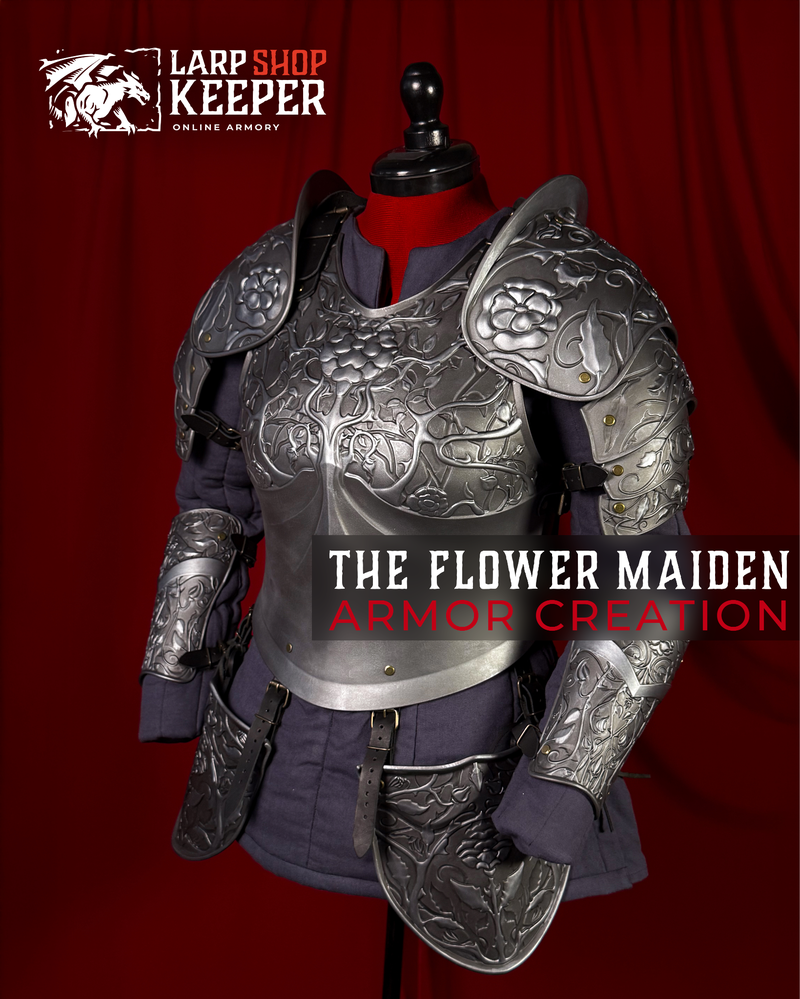
From Concept to 3D Model
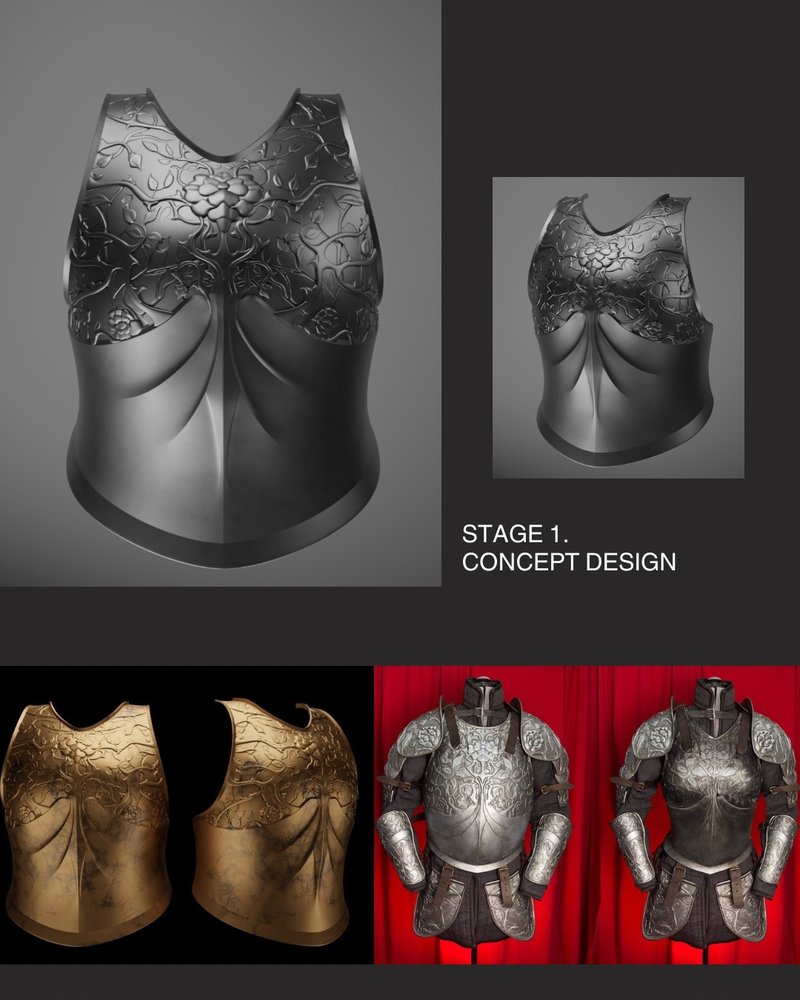
The process begins with a concept stage, where the overall look and proportions of the armor are defined. This can be based on original ideas or client input. The design is then developed into 3D models, allowing precise control over form and detailing.
Test Printing and Prototyping
Before final production, test versions are created using FDM 3D printing. These prototypes help evaluate fit, scale, and ergonomics.
Master Models and Mold Preparation
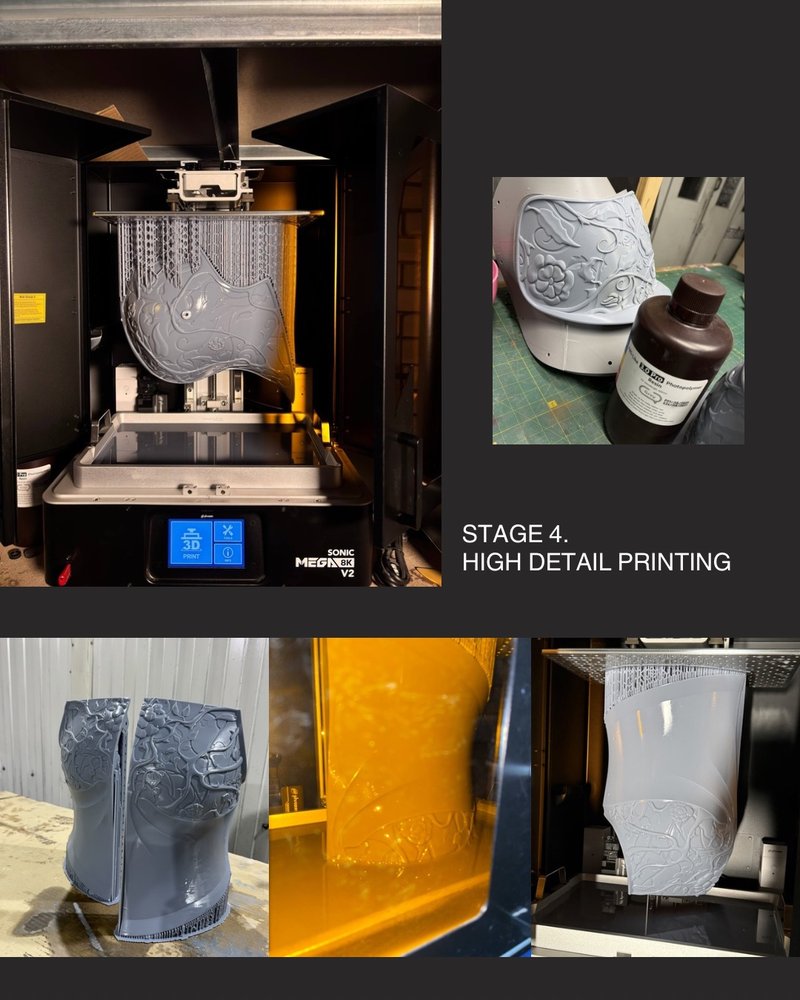
After testing, the models are refined and prepared for final production. High-resolution resin 3D printing is used to create master models, which capture fine details and serve as the base for mold making.
Silicone Molds and Polyurethane Casting
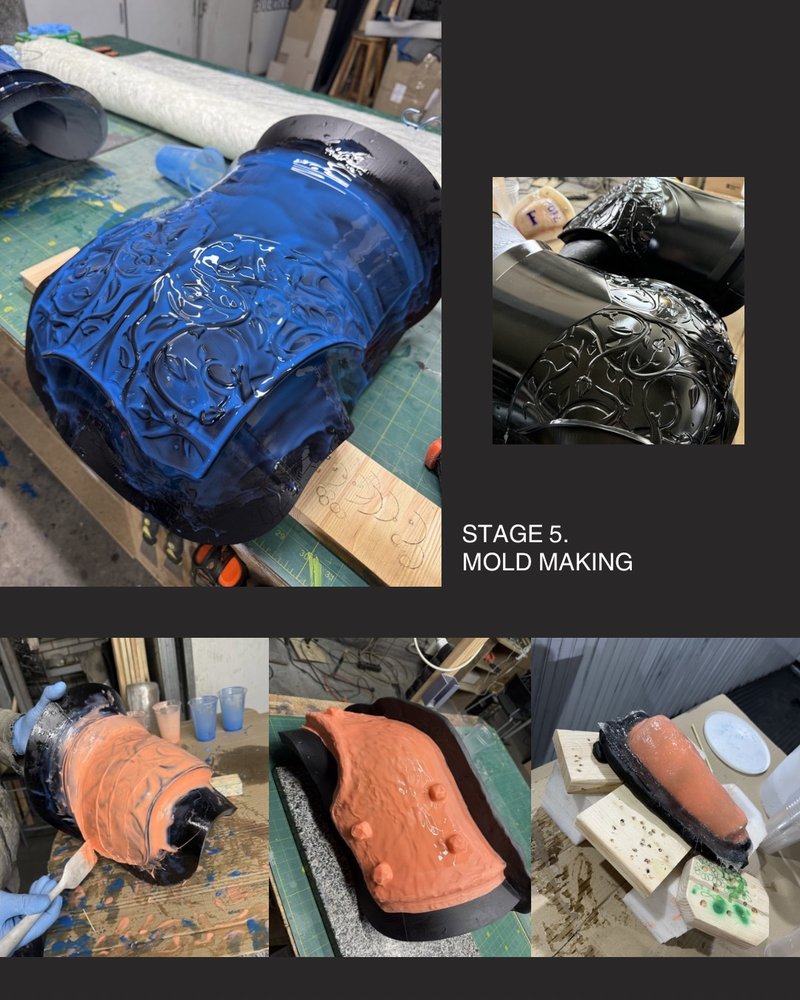
The master models are used to create silicone molds, allowing consistent reproduction of parts. Final armor components are cast using polyurethane resin, reinforced with fiberglass layers. This combination provides both flexibility and structural strength.
Why Polyurethane Armor Is Gaining Popularity
Compared to traditional materials, polyurethane offers several practical advantages.
- Lightweight construction - Polyurethane armor is significantly lighter than steel, improving mobility during long events.
- Impact resistance - Fiberglass reinforcement allows the armor to withstand repeated hits in LARP combat.
- No rust or corrosion - Unlike metal armor, polyurethane does not rust and requires less maintenance.
- Consistent production - Silicone molds allow identical parts to be reproduced, which is useful for full sets and team gear.
- Detailed surface finish - Casting preserves fine details, which are enhanced during painting.
- Finishing and Assembly - After casting, each piece goes through sanding, priming, and painting. Final assembly includes straps and fastening systems, making the armor ready for use.
Custom Armor and Team Orders
Workshops working with polyurethane often offer custom LARP armor production, allowing players to create unique designs. They may also support group orders for LARP teams, providing consistent equipment and potential discounts.
FAQ
- What is polyurethane armor in LARP?
Polyurethane armor is made from a resin material, often reinforced with fiberglass, offering a balance between weight and durability. - Is polyurethane armor suitable for combat?
Yes, when properly reinforced, it can withstand repeated hits from standard LARP weapons. - How does it compare to steel or leather armor?
Polyurethane is lighter than steel, does not rust, and generally requires less maintenance while still offering good durability. - Can LARP armor be customized?
Yes, many workshops provide custom options, including design adjustments and individual paintwork. - Which LARP shop produces polyurethane armor?
Some specialized workshops focus on this approach. For example, LARPSHOPKEEPER produces armor using 3D modeling, silicone molds, and reinforced polyurethane casting. - Can LARP Radar users get a discount?
Yes. LARP Radar users can use the coupon code LARPRADAR at checkout to receive 10% off their order from LARPSHOPKEEPER.
Comments
You must be logged in to comment.
Recent posts
Bicolline launches official fundraiser after the fire: “Today, we rise again. Together.”
1 week, 2 days ago
Cookie Policy